Public Spaces and Parks: How They Shape Urban Neighbourhoods
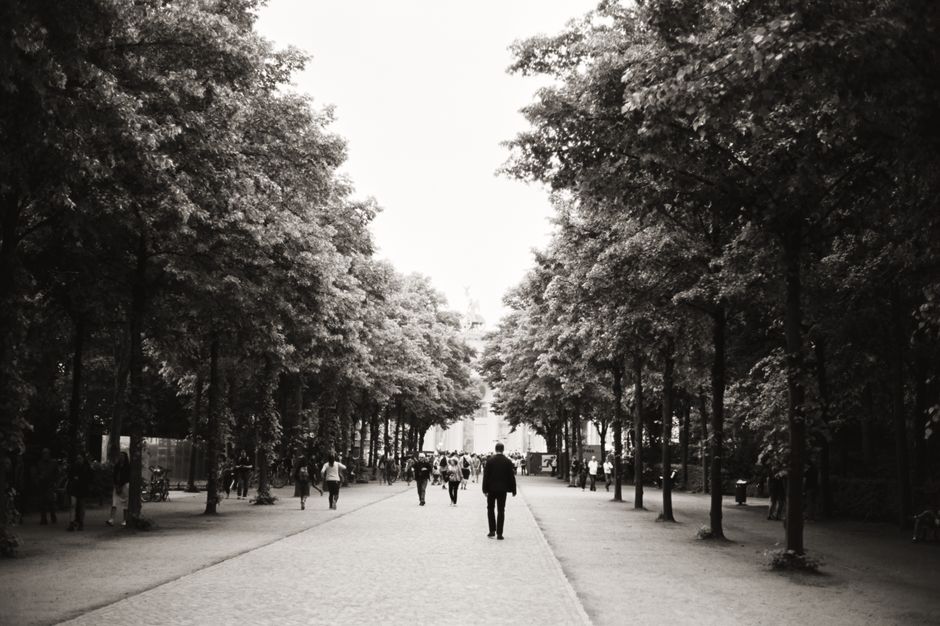
Quality public spaces and parks are essential to liveable urban neighbourhoods. They provide recreation, improve air quality, create social opportunities, and significantly influence neighbourhood character and desirability.
Yet public space isn't guaranteed in urban areas. Cities must intentionally plan, fund, and maintain parks, plazas, and green spaces. The best neighbourhoods prioritise these investments, understanding their importance to residents' wellbeing and community cohesion.
The Role of Parks in Urban Life
Parks provide essential recreation space for exercise, relaxation, and socialising. They're particularly valuable in dense urban areas where most residents lack private gardens. A good park within walking distance significantly improves quality of life.
Research consistently shows parks reduce stress, improve mental health, and encourage physical activity. Children benefit from safe outdoor play spaces. Parks also support biodiversity and help manage flooding and air pollution in cities.
Beyond Traditional Parks
Modern urban design includes various public spaces beyond traditional parks. Pocket parks—small green spaces on unused land—provide green areas in dense neighbourhoods. Urban gardens and community growing spaces build community connections.
Plazas, courtyards, and waterfront promenades create gathering spaces for events, markets, and casual socialising. Streets designed for people, not just cars, with seating and trees, function as extended public spaces.
How Public Spaces Affect Property Values
Properties near quality parks and public spaces command premium prices. Access to good public spaces is a major factor when people choose where to live. Neighbourhoods investing in parks and public spaces attract residents and businesses.
Developers increasingly understand this, incorporating public spaces into new projects. Mixed-use developments include courtyards, plazas, and ground-floor spaces that serve the community.
Community Spaces and Social Cohesion
Public spaces where people regularly meet build community connections. Parks with cafes, playgrounds, and events create natural gathering points where neighbours interact. Strong communities are safer, happier, and more resilient.
Community gardens and public events use these spaces to build connections across different groups. Markets, festivals, and outdoor activities make neighbourhoods feel vibrant and inclusive.
Evaluating a Neighbourhood's Public Spaces
When considering moving to a new area, visit parks and public spaces at different times. Are they well-maintained? Do they attract diverse users? Are they safe and welcoming?
Check what public space improvements are planned. Councils increasingly recognise public space importance and fund improvements. Areas with plans for new parks or public space upgrades offer good investment potential.
Creating Better Public Spaces
Residents can influence public space quality through council engagement and community groups. Many neighbourhoods have park friends groups working to improve maintenance and programming.
Supporting local businesses that activate public spaces—cafes, restaurants, markets—helps create vibrant, well-used areas. Quality public spaces require ongoing investment and community engagement to thrive.