Regeneration Projects Across the UK: Where to Watch for Future Growth
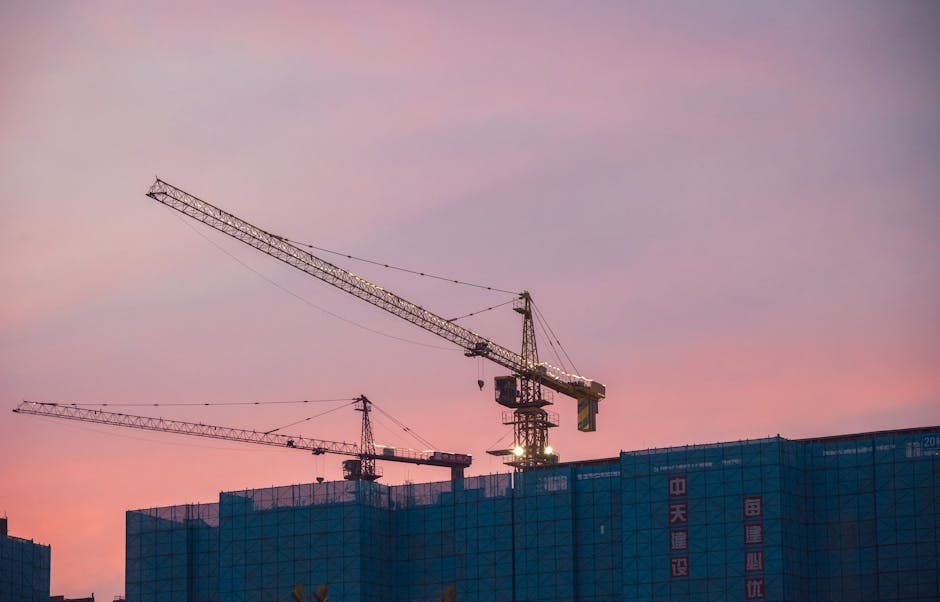
Urban regeneration projects across the UK are transforming post-industrial cities and neglected areas into vibrant communities. Understanding these projects helps identify where property values may appreciate and where new opportunities are emerging.
Regeneration typically targets areas that have experienced economic decline, often following the loss of manufacturing or major employers. Strategic investment in transport, housing, and cultural facilities attracts residents and businesses, revitalising entire neighbourhoods.
Major Regeneration Success Stories
Manchester's city centre has undergone remarkable transformation, becoming a major cultural and business hub with world-class venues and residential developments. Birmingham's Bullring shopping centre and surrounding areas have similarly revitalised the city centre.
Newcastle's Quayside benefited from cultural investment including the Sage Gateshead concert hall and Baltic contemporary art gallery, attracting visitors and residents. Liverpool's waterfront regeneration has made it one of England's most visited cities.
Emerging Regeneration Hotspots
Coventry is experiencing significant regeneration with investment in its city centre, cultural quarter, and transport links. The city offers excellent value compared to London or Manchester, with strong growth potential.
Bradford is undergoing major transformation through cultural investment, including the National Science and Media Museum and growing creative industries. Sunderland and Stoke-on-Trent are also benefiting from strategic regeneration funding.
Why Regeneration Matters for Property Investment
Properties in regenerating areas often offer excellent value before improvements are completed. Once new transport links open, cultural venues launch, or major employers arrive, property values typically increase significantly.
However, regeneration isn't guaranteed to succeed. Areas need sustainable plans addressing employment, housing, and community needs. Research local council strategies and investment commitments before deciding.
What Makes Regeneration Work
Successful regeneration combines several elements: improved transport connectivity, cultural and leisure venues, quality housing, and business support. Areas with all these factors typically thrive.
Look for evidence of genuine investment from multiple sources: local councils, private developers, and cultural organisations. Projects backed by diverse funding are more likely to succeed than those relying on single investors.
Evaluating Opportunities
Before investing in regenerating areas, visit multiple times at different times of day. Talk to current residents and businesses about their experiences and confidence in the area's future.
Check local council plans for upcoming projects and timelines. Understand what jobs and services are being created, not just new buildings. Sustainable regeneration creates economic opportunities, not just physical change.
Regeneration projects offer exciting opportunities for those willing to invest in emerging areas. By understanding these projects and their potential, you can identify locations with strong growth prospects.