The Rise of Mixed-Use Neighbourhoods: Living, Working, and Playing in One Area
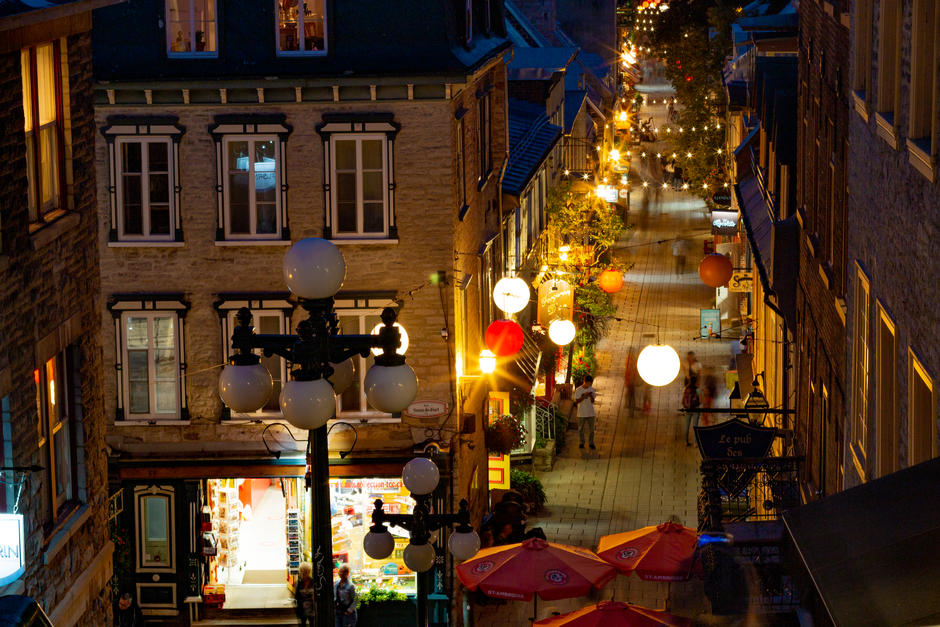
Mixed-use neighbourhoods, where residential, commercial, and leisure spaces coexist, are increasingly popular across UK cities. This urban model represents a shift away from segregated zones towards integrated communities where people can live, work, and socialise within walking distance.
Historically, cities separated residential areas from business districts and industrial zones. Modern urban planning recognises this approach created commutes, traffic congestion, and impersonal neighbourhoods. Mixed-use development addresses these issues by creating vibrant, walkable communities.
What Defines a Mixed-Use Neighbourhood?
A successful mixed-use area combines residential apartments or houses with shops, restaurants, offices, gyms, and entertainment venues. Ground floors typically feature commercial or retail uses whilst upper floors contain offices or homes. This arrangement keeps streets lively throughout the day and evening.
Examples across the UK include Manchester's Spinningfields, Birmingham's Bullring area, and London's Borough Market surroundings. These neighbourhoods attract diverse residents: young professionals, families, retirees, and students.
Benefits for Residents
Living in a mixed-use neighbourhood reduces your dependence on cars. You can walk to shops, restaurants, gyms, and often to work. This improves health, saves money, and reduces environmental impact.
These areas typically feel safer because streets remain busy and well-populated during extended hours. The variety of activities and venues creates a strong sense of community and offers numerous social opportunities.
Economic and Environmental Advantages
Mixed-use development is more economically efficient. It maximises land use, supports more businesses, and creates employment opportunities. Local shops and restaurants thrive with resident populations nearby.
Environmentally, these neighbourhoods reduce carbon emissions through less commuting and car dependency. They're more resilient, with diverse economic activity protecting against single-industry downturns.
Challenges and Solutions
Mixed-use areas face challenges like noise, parking constraints, and managing diverse populations. Successful neighbourhoods address these through thoughtful design: soundproofing, shared courtyards, and community spaces that bring residents together.
Parking solutions include car clubs, underground parking, and good public transport links reducing the need for private vehicles.
The Future of Urban Living
As cities become denser and more people seek walkable communities, mixed-use development will continue expanding. This model suits modern lifestyles where flexibility, convenience, and community matter increasingly.
If you're considering a move, mixed-use neighbourhoods offer a compelling lifestyle combining urban convenience with community benefits. They represent how cities are evolving to be more liveable, sustainable, and economically vibrant.