Understanding Planning Permission and Development Rights in Your Area
Planning permission is the regulatory system controlling how land and buildings are used across the UK. Understanding planning rules helps property owners make informed decisions and helps residents understand neighbourhood changes.
The planning system balances development with protecting communities and the environment. It ensures new buildings fit neighbourhood character, that infrastructure can support growth, and that developments don't negatively impact existing residents.
How Planning Permission Works
Most building works and land use changes require planning permission from your local council. Exceptions include minor works like loft conversions or extensions under certain size limits, which fall under "permitted development rights."
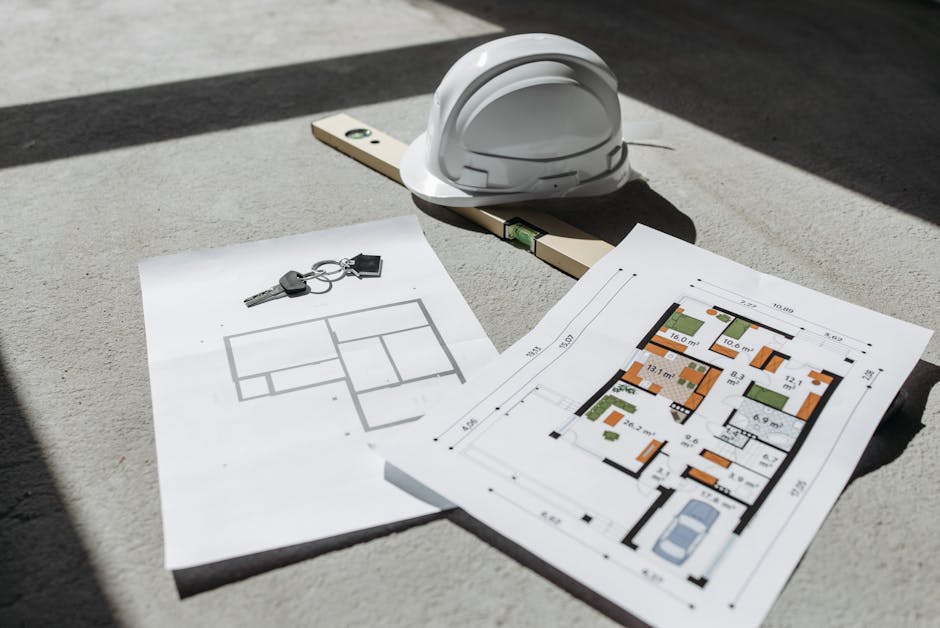
The planning process involves submitting detailed applications including architectural drawings, impact assessments, and community engagement plans. Council planning committees review applications, considering local policies, community impact, and officer recommendations.
Key Planning Considerations
Councils assess applications against the Local Plan—the strategic document setting development priorities and policies. They consider design quality, traffic impact, parking, environmental effects, and whether proposals align with neighbourhood character.
Conservation areas and listed buildings have additional protections. Developments in these areas face stricter requirements to preserve historic character. Understanding if your property is in a conservation area affects what changes you can make.
Permitted Development Rights
These rights allow certain building works without planning permission. Extensions, loft conversions, and garden buildings often qualify if they meet size and distance requirements. However, rights vary by location—conservation areas and listed properties have fewer rights.
Understanding permitted development rights is valuable for homeowners considering improvements. What's allowed in one area might require permission elsewhere.
Community Engagement in Planning
Most significant applications include public consultation periods. Residents can view applications and submit comments. Planning committees must consider community feedback when deciding.
Attending planning meetings helps you understand what's happening in your area. Many councils livestream meetings or publish decisions online, making it easier to stay informed.
Development Impact on Property
Planned developments can significantly affect property values and neighbourhood character. Large residential developments might increase traffic and congestion. Conversely, new transport links or cultural venues often increase property values.
If major developments are proposed near your property, engage with the process. Community feedback can influence final designs and secure community benefits like improved parks or local facilities.
Finding Planning Information
Your local council's planning portal shows all applications, decisions, and the Local Plan. Search by address to see what's been approved or proposed near your property.
National Planning Policy Framework documents outline government planning priorities. Understanding these helps interpret local council decisions and identify likely areas for future development.
By understanding planning systems, you can make better property decisions, engage meaningfully in community planning, and anticipate neighbourhood changes. Planning shapes our cities' futures—staying informed helps you influence that future.